
All orders are custom made, and then shipped to NZ. CLICK HERE to see our current shipping dates.

If you pull on a modern rugby jersey, netball dress, football shirt or hockey top, there is a good chance you are wearing sublimated sportswear.
Look closely and you will notice something different from the traditional sports jerseys many players grew up wearing.
The colours don’t sit on top of the garment. They flow through the entire design.
Sponsor logos, numbers, patterns and team colours are built into the fabric itself. There are no heavy printed layers, no peeling vinyl, and no embroidery backing rubbing against the athlete.
This is the result of dye sublimation printing — a process that has transformed the way modern sports uniforms are designed and manufactured.
At Kooga NZ, sublimation is at the heart of the custom teamwear we create for rugby clubs, netball teams, schools and sporting organisations throughout New Zealand.
After more than 20 years supplying custom sportswear, we have seen the evolution from traditional cotton-style jerseys to today’s lightweight performance garments. The difference is not only in how uniforms look — it is in how they perform.
A modern sports uniform needs to do more than represent a team. It needs to help athletes feel comfortable, move freely, manage moisture and perform throughout training sessions, tournaments and full seasons of competition.
In this guide, we explain what sublimation printing is, how it works, why it has become the preferred choice for custom teamwear, and the advantages it offers players, coaches and organisations.
Sublimation printing is a process where specialised dye is permanently infused into polyester fabric using heat and pressure.
Unlike traditional printing methods where ink sits on the surface of a garment, sublimation becomes part of the fabric itself.
This means the design is not an additional layer placed on top of the uniform.
The fabric remains lightweight, flexible and breathable because nothing extra has been added.
The result is a garment that:
Will not crack or peel like traditional surface printing
Maintains vibrant colours throughout the life of the uniform
Allows complete design freedom
Keeps the original performance qualities of the fabric
Provides a smoother, more comfortable feel for athletes
For modern rugby, netball, football, hockey and school sports uniforms, sublimation has become the preferred choice because it combines performance with unlimited creativity.
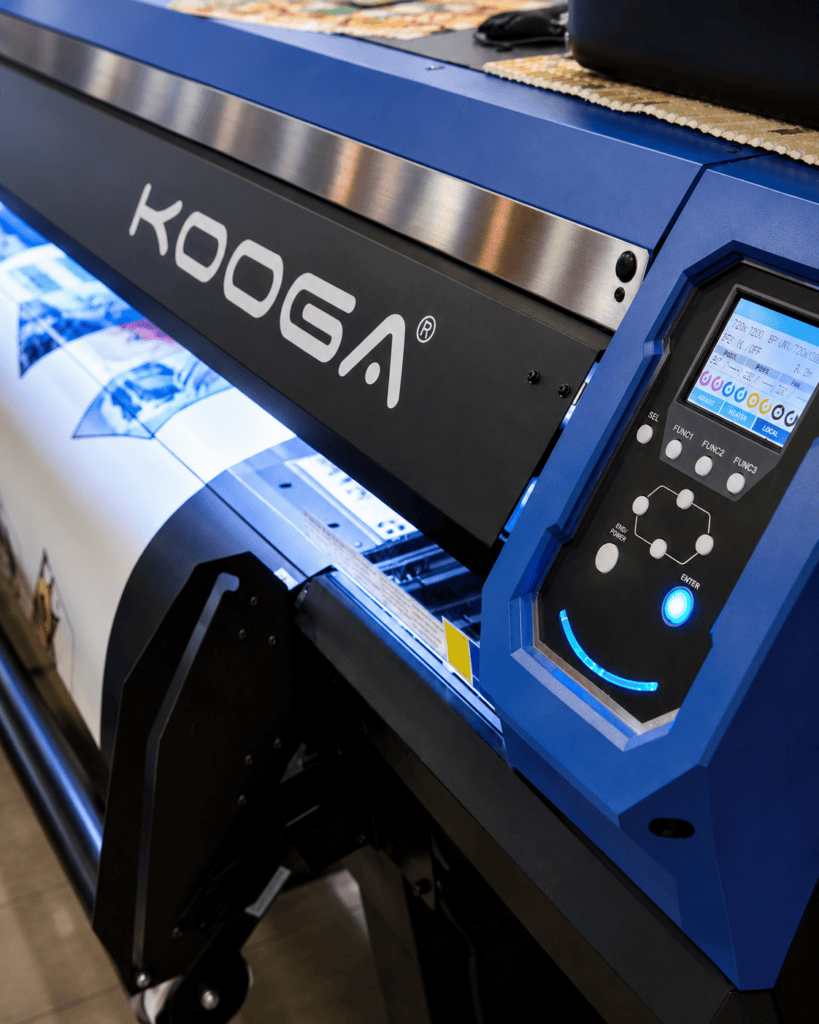
Although sublimation uses advanced technology, the process itself is quite simple.
Every sublimated uniform starts with artwork.
A team’s colours, logos, sponsors, cultural designs, player names and numbers are created digitally before production begins.
Because sublimation is digitally printed, there are almost no limitations on design.
Teams can include:
This gives clubs and schools the ability to create uniforms that are genuinely their own rather than choosing from a limited range of templates.
The approved design is printed onto specialist transfer paper using sublimation inks.
The printed design is then positioned against polyester fabric panels.
At this stage, the colours may appear quite different from the final garment. The real transformation happens when heat and pressure are applied.
The transfer paper and fabric are placed into a heat press at approximately 190–200°C.
Under these conditions, the solid dye changes directly into a gas.
This gas penetrates the polyester fibres and bonds permanently with the fabric.
This is why sublimated designs do not peel away — there is no separate layer sitting on top.
Once the fabric cools, the fibres close again, locking the colour inside.
The result is a uniform where the artwork moves with the fabric.
The garment remains:
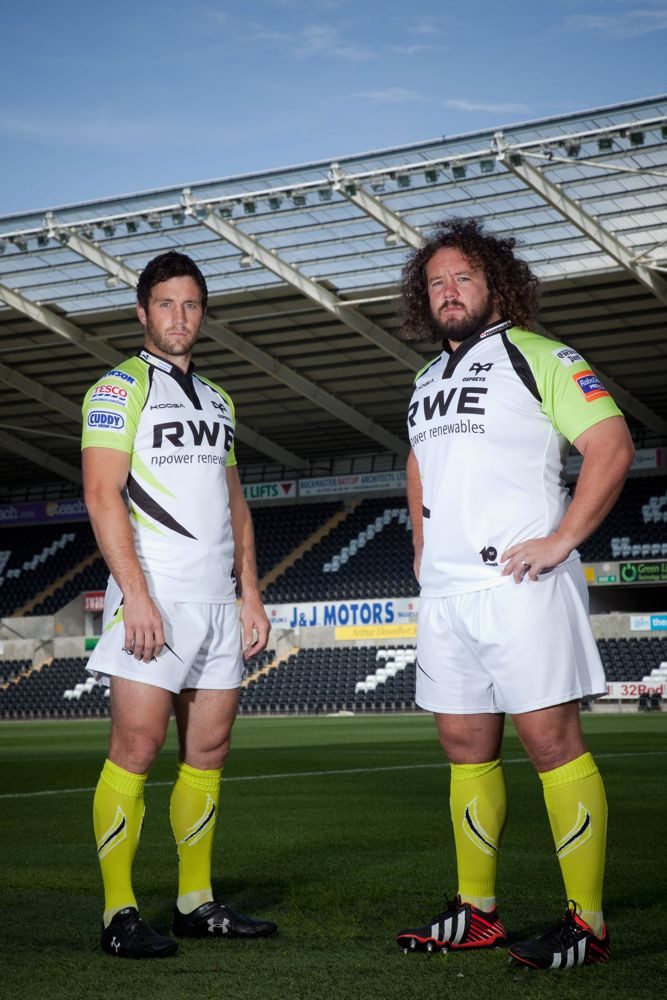
For many years, traditional cotton jerseys were the standard for community sport.
They were strong, familiar and represented generations of sporting history.
However, sport has changed.
Players train more frequently.
Seasons are longer.
Athletes expect more from their uniforms.
The biggest difference between traditional cotton-style garments and modern sublimated performance wear is how they manage moisture.
Cotton absorbs water and holds onto it.
During wet weather, intense games or high-pressure competition, a cotton garment can become heavy as it absorbs sweat and rain.
Modern polyester performance fabrics are designed differently.
They are engineered to:
For athletes, especially in sports such as rugby, league, football and hockey where conditions can change quickly, the difference is noticeable.
A uniform should support performance — not become a burden.
One of the biggest advantages players notice when moving from traditional cotton-style jerseys to modern polyester performance fabrics is the difference in weight when wet.
Cotton fibres absorb and retain significant amounts of water, which can make garments feel heavier throughout a match.
Sublimated polyester teamwear is designed to manage moisture rather than hold onto it.
The result?
Players stay lighter, more comfortable and less restricted, particularly during wet winter sport or long tournament days.
At Kooga, we have seen first-hand why performance fabrics have become the preferred choice across competitive and community sport.
The difference is not only visible.
Players can feel it.
One of the biggest advantages of sublimation is something players often notice immediately — comfort.
Traditional methods can require additional elements to be added onto a garment:
While these methods have their place, they can create areas of thickness or friction.
Sublimated garments are different.
The design is integrated directly into the fabric.
There are:
✓ No embroidery backing rubbing against skin
✓ No raised logos creating irritation
✓ No heavy print layers affecting movement
✓ No additional materials affecting breathability
The athlete feels the fabric — not the decoration.
For contact sports where jerseys sit close to the body and players are constantly moving, stretching and competing, this difference matters.
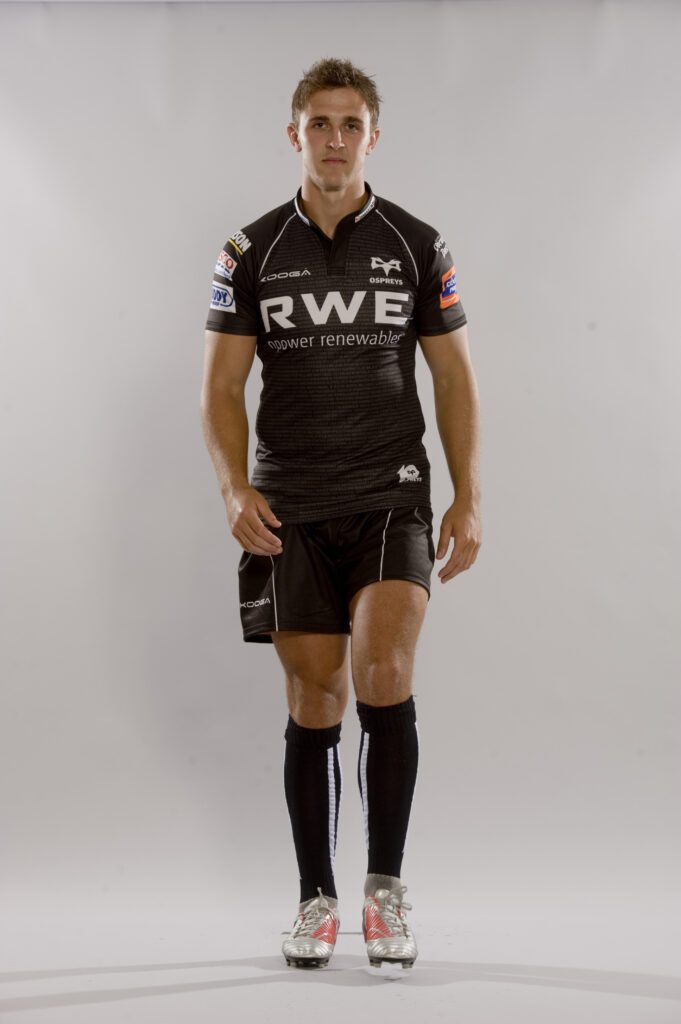
Sport in New Zealand is played in every season and every condition.
From winter rugby and football fields to wet hockey turf and long netball tournaments, players need uniforms that can handle changing environments.
One of the biggest advantages of modern sublimated polyester teamwear is its ability to manage moisture.
Unlike cotton, which absorbs and holds water, performance polyester fabrics are designed to move moisture away from the body and allow it to evaporate quickly.
This helps garments:
This is especially important for schools and clubs attending tournaments where players may need to wash, dry and reuse uniforms across multiple days.
A quality team uniform should not only look good when it is brand new. It should continue performing after repeated training sessions, washing and competition.
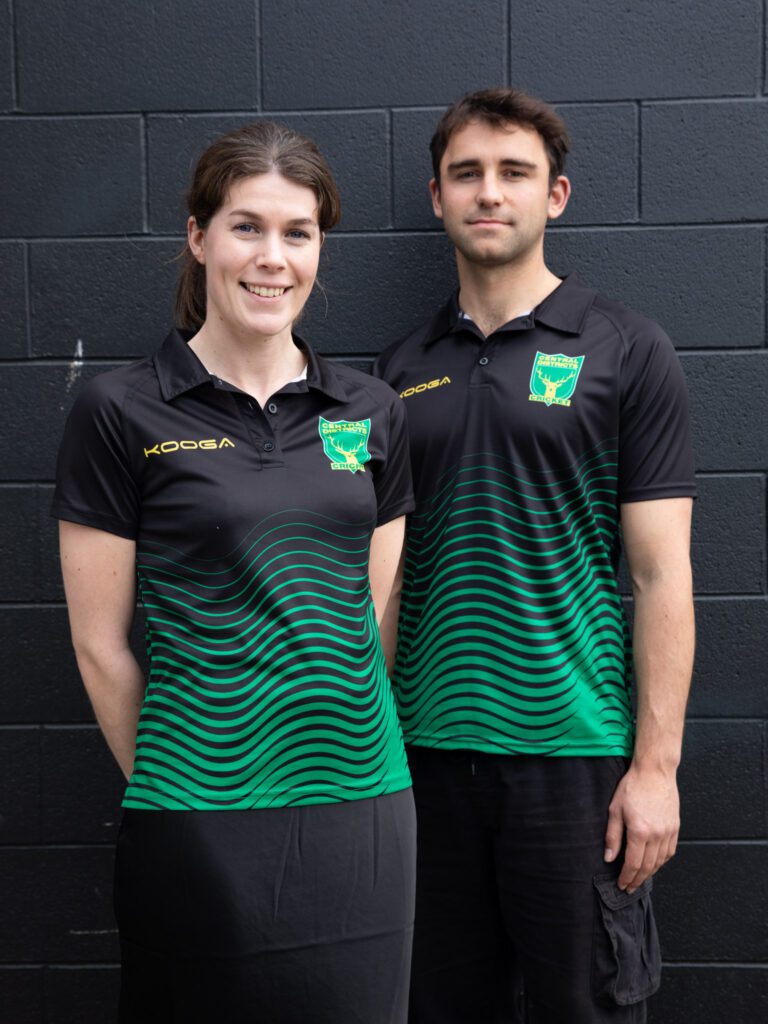
One of the reasons sublimation has transformed modern teamwear is the freedom it gives clubs and organisations to create something unique.
Traditional printing methods often required limitations around colours, design complexity and placement.
Sublimation removes many of those restrictions.
Teams can incorporate:
For many clubs, their uniform is more than just clothing.
It represents their history, their community and the people who wear it.
A well-designed uniform creates pride before the first whistle even blows.
One of the biggest advantages of sublimation is the ability to print fabric panels before the garment is cut and sewn.
This means designs can extend across:
This creates far more design freedom than traditional printing methods where artwork is usually limited to specific areas. However, there is an important detail teams should understand. Because sublimated garments are cut and sewn after printing, highly complex patterns may not always align perfectly across every seam. This is normal in the manufacturing process.
Experienced sportswear designers understand how to create designs that work with garment construction, ensuring the final uniform looks professional while still achieving the desired visual impact.
At Kooga, our design process considers both the artwork and the way the garment will be constructed. Great teamwear is not just about creating an exciting design on a computer — it is about understanding how that design translates onto a moving athlete.
Another creative advantage of sublimation is the ability to produce reversible garments.
Because the design is integrated into the fabric, teams can create garments with customised artwork on both sides.
This can provide significant value for:
Instead of purchasing two separate tops, teams can have one versatile garment that provides two different looks.
For schools and clubs managing multiple teams, this flexibility can help maximise the value of their uniform investment.
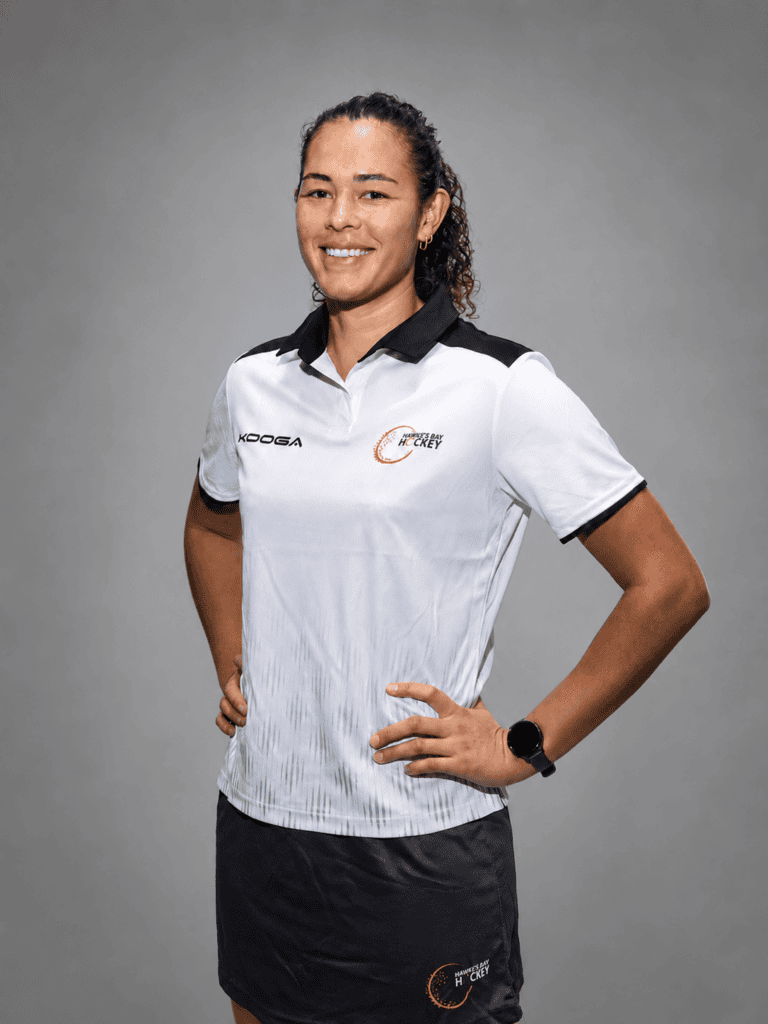
Both sublimation and screen printing have their place in apparel production, but they are very different processes.
The right choice depends on the garment, the purpose and the expectations of the wearer.
Feature | Sublimation Printing | Screen Printing |
Design | Unlimited colours and complex graphics | Limited by colour separations |
Feel | Smooth fabric feel | Ink layer sits on top |
Durability | Colour becomes part of fabric | Print can wear over time |
Cracking or peeling | No separate print layer | Can occur over time |
Breathability | Fabric performance maintained | Print areas can feel heavier |
Player names and numbers | Easily included | Often additional process |
Sponsor logos | Unlimited placement | Additional setup required |
Best suited for | Performance teamwear | Basic apparel and promotional clothing |
For custom sports uniforms where athletes need comfort, durability and complete design flexibility, sublimation provides significant advantages.
Almost any sport that uses polyester performance fabric can benefit from sublimation.
At Kooga, we create sublimated teamwear for:
Designed to handle the physical demands of contact sport while maintaining comfort and durability.
Netball Dresses and Playing Apparel
Lightweight, breathable designs that allow athletes to move freely throughout competition.
Custom designs that support fast movement and high-intensity play.
Hockey and Touch Uniforms
Performance fabrics designed for repeated training and competition.
Basketball, Cricket and Other Team Sports
Complete custom solutions for clubs, schools and representative teams.
From community clubs through to high-performance environments, sublimation allows every team to create apparel that reflects who they are.
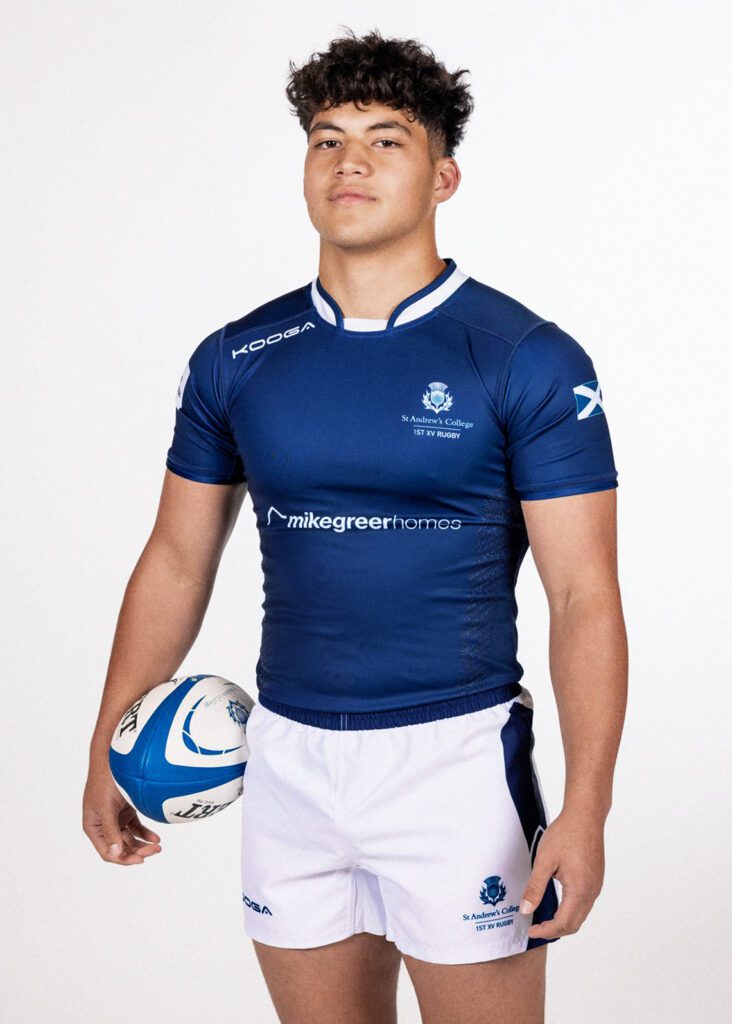
At Kooga, we believe great teamwear needs to achieve three things:
It needs to look exceptional.
Your uniform represents your club, school or organisation.
It needs to perform.
Athletes need garments that support movement, comfort and endurance.
It needs to last.
Teams invest in uniforms expecting them to perform throughout the season.
Sublimation allows us to achieve all three.
As a New Zealand-owned company with more than 20 years of experience supplying clubs, schools and sporting organisations, we understand that uniforms are more than just garments.
They create identity.
They build belonging.
They bring teams together.
Whether it is a grassroots rugby club, a school netball team or a representative organisation, every player deserves to feel proud when they pull on their uniform.
No. Unlike traditional surface printing methods, sublimation does not leave a separate ink layer on top of the fabric. The dye becomes part of the polyester fibres, meaning it will not crack or peel.
A well-made sublimated garment can last for many seasons when cared for correctly. Because the design is integrated into the fabric, the colours remain vibrant and the garment maintains its performance qualities over time.
For custom performance teamwear, sublimation provides significant advantages because it allows unlimited colours, maintains fabric performance and creates a smoother, more durable finish.
Screen printing can still be suitable for some applications, particularly simple designs or promotional apparel.
No. Sublimation works best on polyester because the fibres allow the dye to bond permanently during the heating process.
Cotton does not have the same structure, meaning the dye cannot permanently fuse into the fabric.
Yes. Sponsor logos, player names, numbers and other design elements can all be incorporated into the artwork before production.
This allows clubs to create professional-looking uniforms with all required branding included.
Quality sublimated garments are designed to maintain colour vibrancy throughout the life of the garment.
Because the dye is embedded into the fabric rather than sitting on the surface, it is highly resistant to fading from washing and regular sporting use.
Yes. One of the biggest advantages of sublimation is that it maintains the natural feel and performance of the fabric.
There are no additional print layers, embroidery backing or heavy applications that can create discomfort for athletes.
Ready to Create Your Next Custom Team Uniform?
Your uniform is more than a piece of clothing.
It represents your club, your school, your community and the people who wear it.
At Kooga NZ, we help teams bring their ideas to life through custom sublimated sportswear designed for performance, comfort and durability.
From rugby and netball to football, hockey and school sport, our team works with you from initial concept through to final production to create uniforms your players will be proud to wear.
Talk to the Kooga team today about designing your next custom team kit.